CCRI CARE Team
The CCRI CARE Team is responsible for identifying, assessing, and responding to concerns and disruptive behaviors by students who are struggling or present a risk to the health or safety of the college or its members.
Campus Assessment Response and Evaluation Team
The Campus Assessment, Response, and Evaluation (CARE) Team, formerly known as the Threat Assessment Team, is a college‑wide body composed of appointed faculty and staff. The team is charged with identifying, evaluating, and addressing student concerns and disruptive behaviors exhibited by individuals who may be experiencing academic, emotional, or psychological difficulties, or who may pose a potential risk to the health, safety, or well‑being of the college community
Team Goals:
-
Provide a safe and supportive environment for members of the college community
-
Provide supportive and educational resources to the community regarding health and safety
-
Gather, assess, and deploy interventions with individuals who demonstrate concerning or threatening behavior
CLICK TO REFER A STUDENT TO CARE
If you notice that a student is exhibiting one or more of the following academic, physical or emotional signs, please make a referral to the CARE Team.
Academic Indicators
- Excessive procrastination and very poorly prepared work, especially if this is inconsistent with previous efforts.
- Missing assignments or exams.
- Multiple absences or excessive tardiness.
- Decline in interest or enthusiasm.
- Inability to follow assignment instructions or tasks, despite repeated attempts to clarify/encourage.
- Repeated requests for special consideration (e.g. deadline extensions).
- Dependence on professor/tutor that is beyond what is usual for a student needing assistance in your class.
Emotional Indicators
- Emotions (sadness, nervousness, fearfulness, etc.) that are displayed to an extreme degree or for a prolonged period of time.
- Change in typical personality (e.g., more outgoing or more withdrawn than usual).
- Difficulty connecting with the community, making friends, etc.
- Difficulty dealing with a life event (e.g., death in family, relationship breakup).
- Marked irritability, anger, hostility.
- Direct mention of thoughts of self-harm, harm to others, or suicide.
- Strange or bizarre behavior that is obviously inappropriate to the situation (e.g., seeing or hearing things other people don’t).
Physical Indicators
- Chronic fatigue or falling asleep at inappropriate times.
- Marked change in personal hygiene or appearance.
- Noticeable or dramatic change in energy level.
- Dramatic weight loss or weight gain.
- Impaired speech or confused disjointed thoughts.
- Frequently appears “hung-over” or attends class intoxicated.
After the CARE Team receives a referral, the Dean of Students Office gathers more information and connects with the student to offer support. If the referral warrants further assessment, it will be added to the CARE Team agenda. The CARE Team will then gather further information, analyze, and provide intervention. The Team Chair or a team member will contact the referral source to provide an update as permitted by FERPA.
Tips to Help a Friend:
As fellow community members, you know your friends, roommates, students, etc. quite well. Often times, you can offer a considerable amount of help to your friends and students since they already know and trust you. Here are some tips you can use when offering support to someone before (or in conjunction with) getting them professional help.
- Stop what you’re doing and focus on the person you are talking to.
- Acknowledge what you’ve heard and make sure you are understanding what the person is saying.
- Ask questions about what the student has already tried or what they think might be helpful.
- Help them in determining their strengths and where they might need extra support.
- Ask questions to find out if this is an emergency or if the person is thinking of hurting themselves. If they are, call Campus Police at 401-825-2000 or 911 right away.
- Make a referral to the CARE Team
- Contact the appropriate staff on campus based on the issues discussed with the student. When in doubt, contact Campus Police for assistance or in an emergency dial 911
Recognizing Boundaries:
When supporting a friend or student, it can often take a toll on you as the support person. It is important to maintain personal boundaries while communicating warmth and creating a supportive environment. You are not a mental health professional and should not place unreasonable expectations on yourself regarding how you can help. Recognize the limits of what you can do and ask for help.
Additional Support:

Disability Accessibility for Students (DAS)
When academic experiences present barriers, accommodations may be necessary. Here you will find information on how to connect with DSS and learn about the services we offer for students.
DAS Website
Personal Counseling and Wellness
We offer short term confidential counseling to help when a student needs assistance.
Personal Counseling and Wellness
Benefits Hub
If you are couch surfing, need food, having trouble paying a bill, or simply don't know where to get a CCRI question answered, we're here for you.
Benefits Hub
Civil Rights and Title IX
Discrimination, harassment, sexual violence, and sexual misconduct in all its forms should be reported. You may also contact the Title IX Coordinator to report an incident.
Civil Rights and Title IX
Campus Police
The Police Department is committed to providing a safe educational environment and essential public safety services to all members of our community.
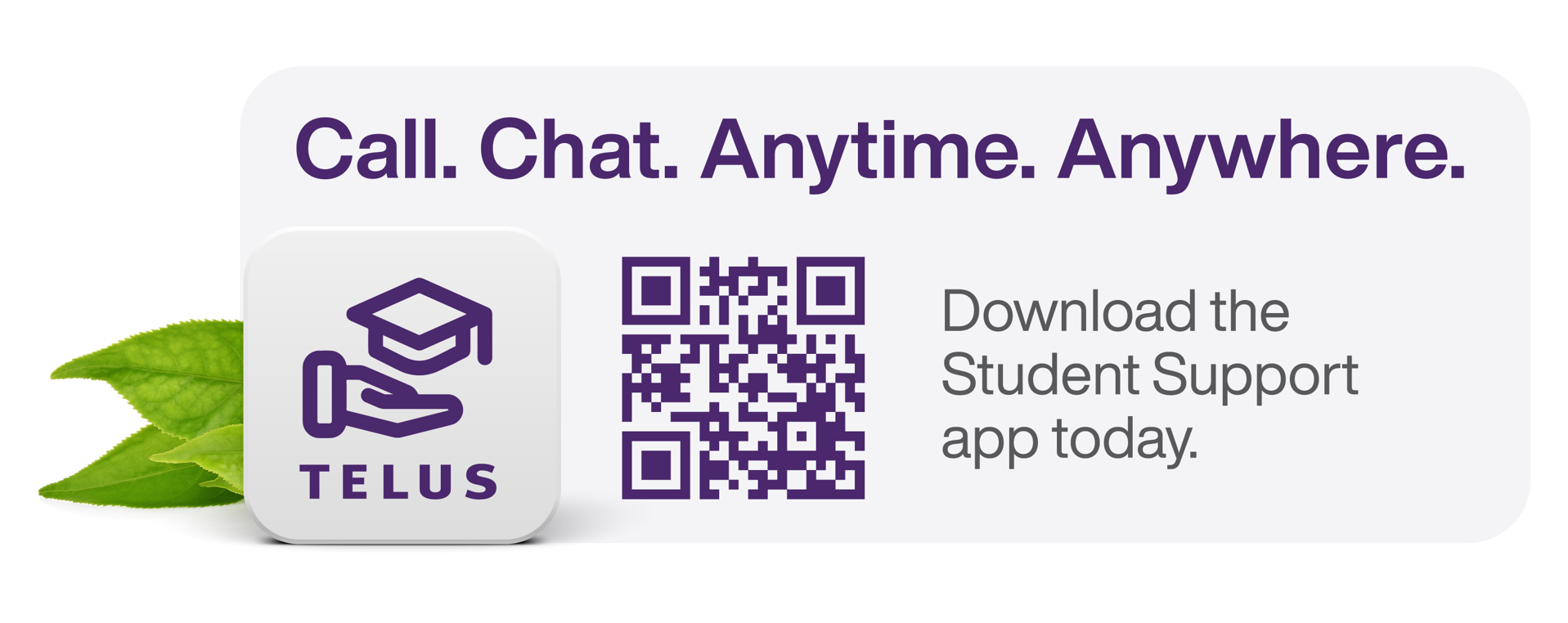
Campus PoliceCCRI has also partnered with Telus Health, a counseling service which is available to you free of charge 24/7.
FAQs
Anyone within the CCRI community, including parents/guardian may contact the CARE Team if they have concerns about a student's well-being or safety.
Concerns may include but are not limited to: emotional distress, mental health issues, behavioral changes, substance abuse, harassment, or any other situation where a student may need support or intervention.
You may contact the CARE Team by emailing [email protected]. You may also fill out the CARE Referral Form located on this page.
While we take confidentiality seriously, some information may need to be shared with appropriate school officials or external agencies to provide the necessary support and intervention. We will strive to respect the privacy of all individuals involved to the fullest extent possible.
Once a report is received, the CARE Team will review the information and determine the appropriate course of action, which may include outreach to the student, offering support services, connecting them with resources, or coordinating with other campus departments.
While we encourage individuals to provide their contact information for follow-up purposes, anonymous reports will be accepted. However, please note that providing contact information allows us to gather additional information if needed and ensures a more effective response.
The CARE Team can provide a range of support services, including but not limited to counseling, academic assistance, referrals to community resources, safety planning, and ongoing monitoring of the student's well-being.
If it's an emergency (i.e. suicide ideation or threat to self or community) or if you believe someone is in immediate danger, please call campus police at 401-825-2000 or 911 immediately.
The CARE Team and Personal Counseling Office have different focuses and functions, but they often work together to ensure that students receive effective support. The CARE Team may refer students to the Personal Counseling Office for ongoing support, while the Personal Counseling Office may provide feedback to the CARE Team regarding student concerns that require a broader intervention or support.
Report Emergencies
Call one number from any campus: ext. 2000 for campus police.
Have A Question?
Contact Dean of StudentsWhether you are seeking guidance, resources, or a sense of community, the Dean of Students Office is here to assist you on your academic and personal journey.