Personal Counseling and Wellness
The Personal Counseling and Wellness office at CCRI offers short term confidential counseling for students in need.
-
If you are in immediate danger please dial 9-1-1.
-
If are experiencing an emergency while on campus, please call campus police at 401-825-2000.
We are Here for You
Our dedicated team is here to provide students with a safe and confidential environment, whether they are seeking support for personal growth, relationships, mental health, or any other aspects of life. Our hours are Monday-Friday 8:00 A.M. to 4:00 P.M. at our four main campuses: Warwick, Lincoln, Providence, & Newport.
Scheduling, Location & Hours:
To schedule an appointment during hours, please email [email protected] or feel free to fill out our referral form.
STUDENT COUNSELING REFERRAL FORM
Office Hours: Monday-Friday: 8:00 a.m. - 4:00 p.m.
-
Warwick Office: Room 0020 (first floor of the new office space) / Phone: 401.825.2021
-
Lincoln Office: Room 2316 / Phone: 401.333.7053
-
Providence Office: Room 2227 / Phone: 401.455.6010
After Hours
CCRI students receive free confidential access to TELUS Health, an online and tele-counseling support agency. You can call TELUS Health at 866-743-7732 for over the phone assistance and/or download their app.
Mental Health Emergencies
For mental health emeregencies and / or if you (or someone you know) is feeling unsafe, please connect with 988.
State Certified Community Behavioral Health Clinics (CCBHCs)
State Certified Community Behavioral Health Clinics (CCBHCs) are outpatient clinics that provide expanded behavioral health services for every area in Rhode Island. CCBHCs serve anyone who walks in, regardless of age, diagnosis, or insurance status.
There, a team of trained health professionals can:
-
provide mental health support to you or a loved one,
-
help you or a loved one with a substance use condition, and/or
-
provide 24/7 crisis support.
Meet the Staff:
Sylvain Loize, MA, LMHC
My name is Sylvain Loize, but I usually go by Syl. I earned my Bachelor's degree in Psychology from Northeastern University, and continued onto my Masters degree in Clinical Counseling from Lesley University. Before coming to CCRI, I worked in a community mental health center as a clinical therapist in New Bedford, MA.
- Outside of work, I enjoy spending time with my family, riding my mountain bike, sailing, and photography.
Heidi Josephson, MIB, M.Ed., LMHC
I received my undergraduate degree from Lehigh University, a Masters in Psychology – Athletic Counseling from Springfield College and earned a certificate of advanced clinical counseling from RI College. Prior to CCRI, I worked as a Sr. Clinical Therapist for Lifespan/Gateway. In my free time, I enjoy spending time with my dog, Maggie Mae, walking, swimming, and traveling.
- Favorite quote: "People will forget what you said, people will forget what you did, but people will never forget how you made them feel." - Maya Angelou
Information & Resources
Everyone has a sexual orientation and gender identity. Sexual orientation is who you are romantically or physically attracted to. Gender identity is the internal sense of being male, female, both or neither, which is separate from your biological sex. People who have a different sexual orientation or gender identity from most people fall under the umbrella term LGBTQ+. It is really important to know that identifying as LGBTQ+ is NOT a mental illness or disorder.
Although being LGBTQ+ is absolutely not a mental illness, many LGBTQ+ people experience mental health struggles. The bisexual and transgender communities have the highest rates of mental health concerns within the LGBTQ+ population. Younger members of the LGBTQ+ community struggle the most with mental health concerns of all the age groups. One study found that LGBTQ+ people used mental health services at 2.5 times higher rates than their heterosexual counterparts. However, they are also at particular risk for experiencing shame, fear, discrimination, and adverse and traumatic events.
Also, many people who identify as LGBTQ+ are part of second (and sometimes third or more) community that is marginalized. Examples of these groups are BIPOC (Black, Indigenous, or People of Color), people with a physical disability, people practicing a religion different than their neighbors, and people with low socioeconomic status. These people have complex experiences that cannot be easily addressed in one area of their life.
State Certificed CCBHCs are outpatient clinics that provide expanded behavioral health services.CCBHCs serve anyone who walks in, regardless of age, diagnosis, or insurance status. A team of trained health professionals can:
• provide mental health support to you or a loved one,
• help you or a loved one with a substance use condition, and/or
• provide 24/7 crisis support.
Experiencing anxiety and stress? Here are a few things you can do
RI Counselors, Mental Health Agencies & Programs
Resource dedicated to providing support to help individuals navigate crises in various aspects of life.
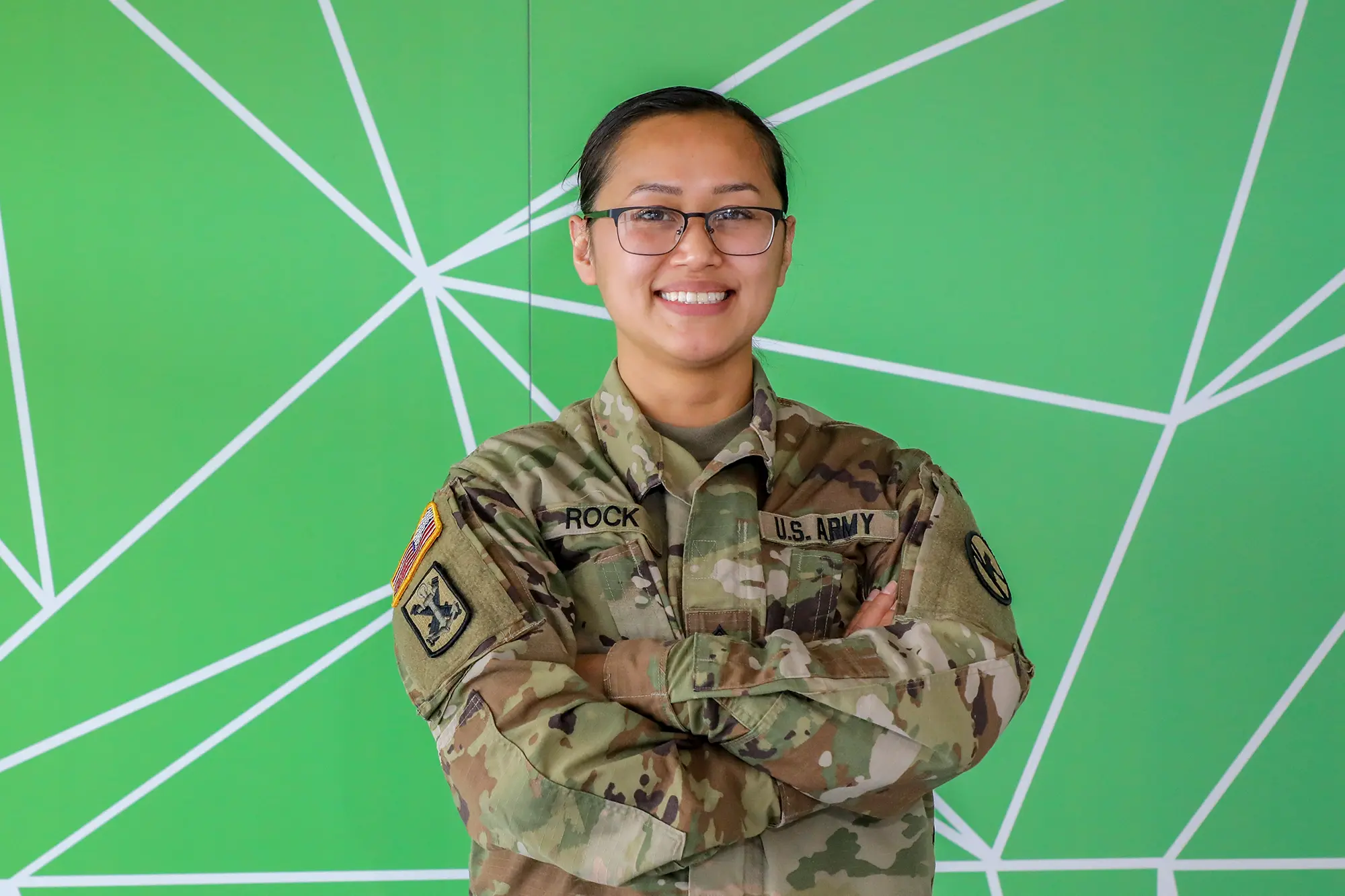
A program that places an experienced vocational counselor at colleges to provide outreach, support and assistance with VA benefits to veterans, active duty military and dependents.
Resources for those witnessing or experiencing domestic abuse
Educational materials, practical tips, and strategies to empower individuals in their journey toward recovery.
Useful apps to help with anxiety, depression, meditation, productivity, and more!

Resources for day to day basic needs, and outside financial resources
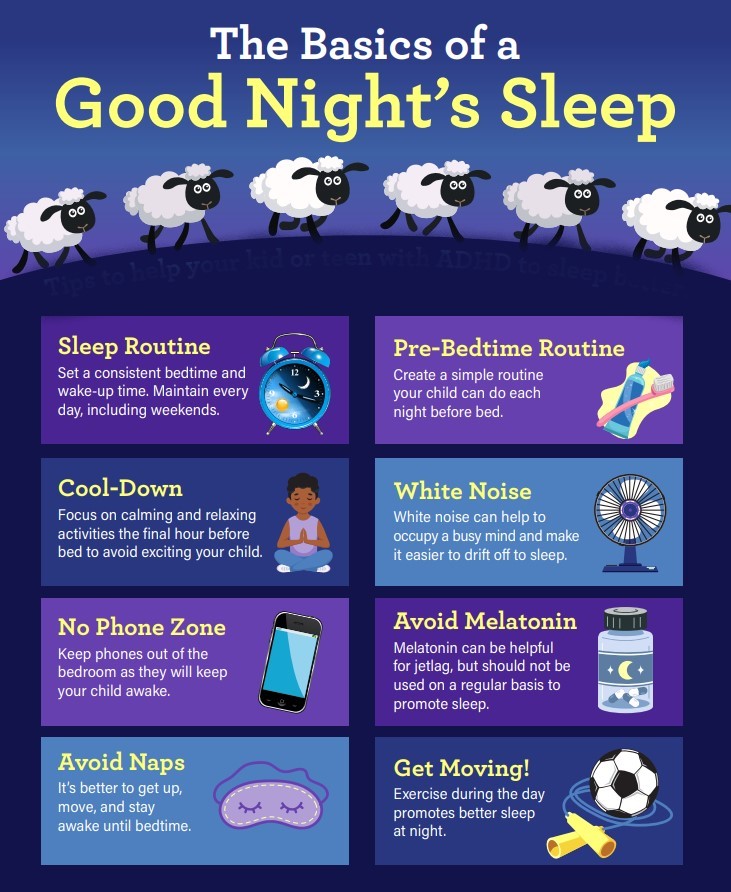
Develop a better sleep routine.
Check Us Out!
Have A Question?
Contact Dean of StudentsWhether you are seeking guidance, resources, or a sense of community, the Dean of Students Office is here to assist you on your academic and personal journey.