Dental Assisting - Certificate
Occupational Title: Dental Assistant
This program may be completed at the Flanagan (Lincoln) Campus.
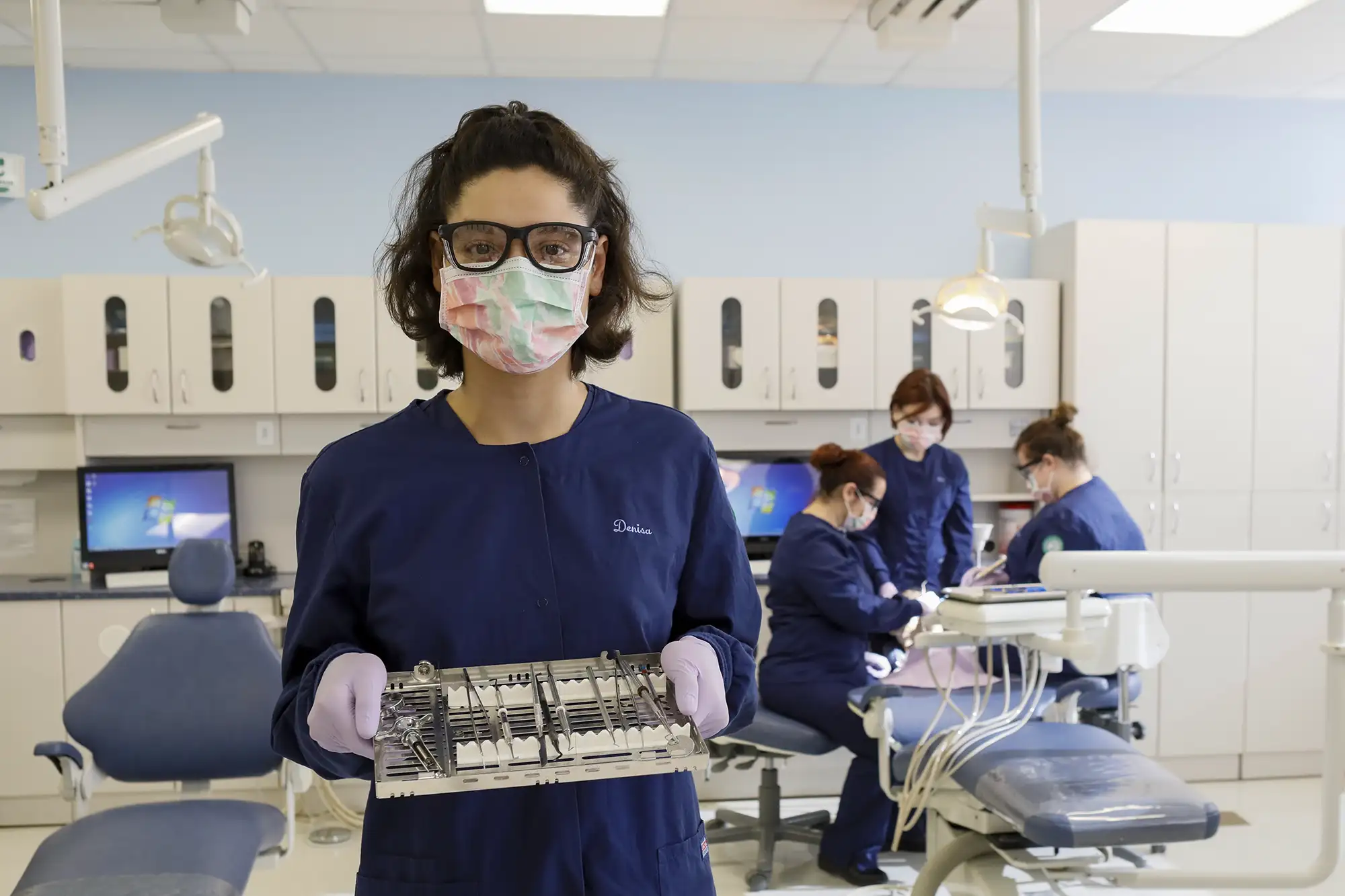
The primary function of the dental assistant is to assist the dentist. Students in this program attend lecture and laboratory classes and receive actual clinical experience through assignments at a variety of dental healthcare facilities.
This course of study prepares students for the Certified Dental Assistant examination given by the Dental Assisting National Board, Inc. Students who successfully complete the program are awarded a certificate by the college. Students are responsible for purchasing dental instruments and uniforms, as well as paying fees for the certification exam. Participation in the dental assisting program exposes students to infectious diseases, bloodborne pathogens and ionizing radiation.
This program is accreditted by the Commission on Dental Accreditation.
Technical standards: The physical activity (strength) for dental assistant (079.361-018) is classified as “light” by the Department of Labor in the Dictionary of Occupational Titles
Note: Many courses require prerequisites and/or testing. See course descriptions for details.
CCRI also offers a Dental Hygiene associate degree program, see this page for details.
General Policies
See important general policies in the beginning of this section on the performance-based Health Sciences application process, academic progress, advanced placement, background check, CPR certification, health insurance, health records, reinstatement, transportation, uniforms, and equipment.
Minimum Requirements Needed to Apply to the Dental Assisting
- CCRI application – Submit a completed CCRI Application for Enrollment. General Studies should be first choice; DENT should be second choice.
- High school transcript – Send an official copy of a transcript from an accredited high school or GED® certification, including date of graduation, or if the applicant holds a baccalaureate degree from an accredited college/university, the high school transcript may be waived; college transcript must indicate completion and degree awarded.
- CCRI uses a multiple measures approach to determine admission into Health Science
programs (For example: High School and GED® transcripts, SAT, ACT, HESI A2 or ACCUPLACER
scores). Placement can also be determined by taking college level English and Math
courses. Anyone with a degree from an institutionally accredited higher education
institution may have this requirement waived following submission of the official
college transcript. If using ACCUPLACER, the following guidelines are used:
- Placement testing – Complete a standardized test (ACCUPLACER) issued by CCRI's Advising Center. Students
may retake the ACCUPLACER test once before completing any remedial course(s).
- Reading comprehension test (waived for students with a Bachelor's degree or higher): Score of 80 or above in Classic ACCUPLACER is required in Reading Comprehension or score of 253 or above in Next-Generation Accuplacer is required in Reading Comprehension or students must complete Reading and Study Skills Program (ENGL 1002) with a grade of "B-" or better or Integrated Critical Reading and Writing (ENGL 0950).
- Math: Demonstrate competency by placing into Foundations of College Mathematics (MATH 0100) with a test score of 65 or above in Classic ACCUPLACER in the arithmetic section or or score of 255 in Next-Generation ACCUPLACER or completion of Foundations of College Mathematics (MATH 0100) with a "C" or better. The entry course for Foundations of College Mathematics (MATH 0100) is Developmental Mathematics Emporium (MATH 0095). The following courses will substitute for Foundations of College Mathematics (MATH 0100): Foundations of College Algebra (MATH 0101), Business Mathematics (MATH 1005), Mathematics of Finance (MATH 1015), Introduction to College Mathematics (MATH 1025), Mathematics for Liberal Arts Students (MATH 1139) or (MATH 1139C), Statistics for the Health and Social Sciences (MATH 1175) or (MATH 1175C), College Algebra (MATH 1200) or (MATH 1200C), Statistical Analysis I (MATH 1240), Quantitative Business Analysis I (MATH 2077), College Trigonometry (MATH 2110), Pre-Calculus Mathematics (MATH 2111), Quantitative Business Analysis II (MATH 2138), Calculus I (MATH 2141), Calculus II (MATH 2142), or Calculus III (MATH 2243).
- English (writing) test must show readiness to take Composition I (ENGL 1010), or applicant must have completed College Writing (ENGL 1005) with a grade of "C" or better. Composition I for Speakers of English as a Second Language (ESL) (ENGL 1300) will not substitute for Composition I (ENGL 1010).
- Placement testing – Complete a standardized test (ACCUPLACER) issued by CCRI's Advising Center. Students
may retake the ACCUPLACER test once before completing any remedial course(s).
- Optional: Complete courses required for admission with a grade of "C" or better – Introduction to Dental Health Careers (DENT 1000)
- GPA – A cumulative grade point average of 2.0 or better for all college courses taken.
- All the above requirements must be completed satisfactorily before submission of Performance-Based Health Sciences (PBHS) application and does not guarantee acceptance. Students declining acceptance into the program for the semester offered must resubmit a PBHS application for the program and meet current requirements. Once accepted into the program, the student must attend a mandatory orientation conducted by the Dental Health Department.
- Health Sciences application – Submit a completed performance-based Health Sciences application including a preadmission degree evaluation. Deadlines are listed on form.
- BCI – Students are required to submit a background check when directed by notification from One Stop Student Services. Results of BCI may prevent admission due to clinical agencies requirements.
Program Requirements
- A cumulative grade point average of 2.0 or better is required to proceed in the program.
- General education courses in the Dental Assisting curriculum may be taken prior to the semester recommended. All courses must be completed by the recommended semester.
- Program faculty reserve the right to dismiss any student from the program or to refuse reinstatement based on academic, clinical or professional performance.
- Composition I for Speakers of English as a Second Language (ESL) (ENGL 1300) may not be substituted for Composition I (ENGL 1010).
- Human Biology (BIOL 1070) or Human Anatomy & Physiology I (BIOL 2201) must be completed prior to the second semester.
Program Learning Outcomes
Upon completion of this program, a student will be able to:
- Prepare students for professional careers as Dental Assisting National Board, Certified Dental Assistants, in accordance with the program competencies, DANB’s Code of Professional Ethics and Rhode Island State Law and Rules and Regulations.
- Provide the public and the dental community with competent, caring dental assistants, prepared to assist with and perform expanded functions and comprehensive care in a variety of clinical settings and to be active members of the dental health team.
- Educate and train students with the academic knowledge and skill competence, to successfully complete the DANB Certified Dental Assistant Examination and to become lifelong learners in the dental field.
Requirements
Optional
| Code | Title | Hours |
|---|---|---|
| DENT 1000 | Introduction to Dental Health Careers | 2 |
| Subtotal | 2 | |
| Total Hours | 2 | |
| Code | Title | Hours |
|---|---|---|
| General Education Requirements | ||
| BIOL 1070 | Human Biology (Must be taken prior to admission or during the first semester of the program) | 3 |
| COMM 1010 | Communication Fundamentals^ (Work-Based Learning Course) | 3 |
| ENGL 1010 | Composition I (or ENGL 1010A) | 3 |
| PSYC 1030 | Psychology of Personal Adjustment | 3 |
| Subtotal | 12 | |
| Major Requirements | ||
| DAST 1010 | Oral Biology I | 2 |
| DAST 1020 | Preventive Dentistry | 2 |
| DAST 1030 | Chairside Dental Assisting I | 5 |
| DAST 1040 | Oral Biology II | 3 |
| DAST 1050 | Chairside Dental Assisting II | 5 |
| DAST 1060 | Dental Office Procedures | 2 |
| DAST 1225 | Dental Materials Lecture | 2 |
| DENT 2010 | Oral Radiography | 4 |
| DENT 2225 | Dental Materials Lab for Dental Assistants | 2 |
| Subtotal | 27 | |
| Total Hours | 39 | |
Recommended Course Sequence
| Year 1 | ||
|---|---|---|
| Semester 1 | Hours | |
| BIOL 1070 | Human Biology | 3 |
| ENGL 1010 | Composition I (or ENGL 1010A) | 3 |
| DAST 1010 | Oral Biology I | 2 |
| DAST 1020 | Preventive Dentistry | 2 |
| DAST 1030 | Chairside Dental Assisting I | 5 |
| DAST 1225 | Dental Materials Lecture | 2 |
| DENT 2010 | Oral Radiography | 4 |
| DENT 2225 | Dental Materials Lab for Dental Assistants | 2 |
| Hours | 23 | |
| Semester 2 | ||
| COMM 1010 | Communication Fundamentals^ (Work-Based Learning Course) | 3 |
| DAST 1040 | Oral Biology II | 3 |
| DAST 1050 | Chairside Dental Assisting II | 5 |
| DAST 1060 | Dental Office Procedures | 2 |
| PSYC 1030 | Psychology of Personal Adjustment | 3 |
| Hours | 16 | |
| Total Hours | 39 | |
More Information
Technical Standards are all of the nonacademic functional abilities that are essential for the delivery of effective and safe patient care. Technical standards are published, discipline specific fundamentals, critical for the safe and reasonable practice of Dental Assisting. They also protect qualified persons with disabling conditions against discrimination. Dental Assistants are in physical contact and close physical space while performing supportive procedures and providing treatment in a patient’s mouth.
Technical Standards are a concrete statement of the minimum physical, sensory/motor, communication, behavioral/social, mental/emotional and environmental requirements for normal and safe professional function. They are intended to inform the prospective student/professional of the attributes, characteristics and abilities essential to practice as a dental assistant. Professional competency is the summation of many cognitive, affective and psychomotor skills. The College has a moral and ethical responsibility to select, educate and certify competent and safe students and practitioners. Patient’s health and safety is the sole benchmark against which we measure all performance requirements, including the Technical Standards addressed in this document.
An Applicant Certificate of Understanding of Technical Standards must be signed at orientation. Students who have a documented disability should contact Disability Services for Students (DSS) as soon as possible. Registration with DSS is required before any accommodation requests will be granted. After registering with DSS, the student and DSS will collaborate to identify to what extent reasonable accommodations may exist that will enable the student to meet both the academic and technical standards of the program without lowering programmatic expectations. Reasonable accommodations will be directed toward providing an equal educational opportunity for students with disabilities while adhering to the professional standards of what is expected of all dental assisting students. As stated in the syllabi of all dental assisting courses, any student eligible for and needing academic adjustments or accommodations is requested to speak with the professor within the first two weeks of class. Under no circumstances will the Dental Assisting Program waive any essential course requirements or technical standards for any student with or without a disability. A Student must meet all technical standards with reasonable accommodations. The technical standards listed below identify the skills and behaviors necessary to successfully complete the dental assisting curriculum and adequately prepare our students for the practice of dental assisting.
Motor Skills/Manual Dexterity
Students must have full manual dexterity including adequate functioning of arms, wrists, hands and fingers. Appropriate psychomotor skills, manual dexterity and motor movement skills are necessary to render supportive procedures and provide treatment in a patient’s mouth, while possessing the physical strength to move oneself into a position that will enable the student to provide appropriate dental care to the patient. A person with certain musculoskeletal conditions may have difficulty performing the daily activities required by the profession of dental assisting. These include, but are not limited to degenerative conditions or injuries to the neck, back, shoulder, elbow, wrist and/or hands. Examples: herniated or bulging disks, chronic rotator cuff symptoms, and carpal tunnel. It is recommended that individuals with any of these conditions be evaluated by their physician prior to pursuing this profession.
The student must be able to:
- Use personal protective devices (tolerate face mask, safety eyewear, surgical gloves and laboratory coat)
- Carry out OSHA infection control procedures using cleaners and chemicals
- Manipulate dental materials, equipment and instruments with eye-hand coordination with both hands
- Demonstrate fine and gross motor skills
- Access a patient from a seated or standing position
- Sit unassisted for long periods of time
- Operate switches, knobs, levers in operation of the dental chair and accessory equipment in all clinics and laboratory settings
- Exhibit sufficient motor function to elicit information from a patient by palpation, auscultation, percussion, and other diagnostic modalities
- Perceive and interpret tactile vibrations appropriately
- Manipulate small objects of materials, paying close attention to fine detail
- Manipulate dental radiographic equipment unassisted
- Perform basic life support including CPR
- Transfer and position patients with disabilities
- Be comfortable working in small or confined spaces
Sensory Skills/ Observation Skills
A functional use of all senses is required. Visual acuity and intellectual ability are necessary to acquire information from documents such as charts, radiographs, small print, handwritten notations and computer screens and images. Appropriate depth perception and the ability to see clearly between a depth of 16-22 inches with or without corrective lenses is essential.
A student must be able to:
- Demonstrate adequate depth
- Observe demonstrations at a distance and close at hand
- Perform procedures in the classroom, clinic area and laboratory setting
- See fine detail, focus at several distances, discern variations in color, shape and texture in order to differentiate abnormal and normal
- Discern tactile sensations to perceive and interpret information associated with clinic procedures
- Visually assess, bimanually palpate hard and soft anatomic structures
- Differentiate between shades of gray on radiographs to determine quality and identify anatomy
AUDITORY (HEARING) OBSERVATION:
Hearing abilities must be sufficient to allow the student to communicate with and evaluate patients. The student must be able to:
- Evaluate stethoscope sounds in the monitoring of blood pressure
- Hear normal speaking level sounds and various voice ranges
- Hear auditory alarms and telephones
- Develop reasonable skills of percussion and auscultation
Intellectual Skills/Conceptual and Cognitive Skills
Consistent, accurate and quick integration of information is required especially in an emergency situation.
The Student must:
- Possess the ability to learn, interpret, integrate, analyze and synthesize data
- Possess the intellectual abilities required to carry out reasoning, analysis, problem solving, critical thinking, self-evaluation and lifelong learning
- Be able to comprehend three dimensional and spatial relationships
- Comprehend and integrate knowledge from didactic courses and professional literature into the assessment, planning, implementation and evaluation of dental assisting procedures Demonstrate long and short term memory
Communication Skills
The Student must:
- Communicate effectively with patients, colleagues and faculty in verbal, nonverbal, and written form
- Possess sufficient command of the English language in order to retrieve information from lectures, textbooks, and exams
- Be able to obtain an accurate medical/dental history
- Be able to accurately record findings in patients records
- Demonstrate English language communication skills sufficient for interaction with others in verbal and written form (communication is clear and understandable to others)
Behavioral/Social/Mental/Emotional Skills
High levels of emotional and mental stability are required on a daily basis. A Student must possess the emotional health and mental stability necessary to:
- Demonstrate respect and caring for patients, peers, staff, and faculty
- Interact with peers, patients, staff and faculty in an emotionally stable, professional, and ethical manner
- Demonstrate respect for the diversity of cultures among college personnel, dental health professionals, externship site patients and peers
- Demonstrate a team approach in carrying out responsibilities in all settings
- Endure physically taxing workloads
- Function effectively under stress
- Adapt to changing environments by displaying flexibility
- Display compassion, integrity, concern for others, respect, strong interpersonal skills Be tactful and congenial
- Be able to accept criticism and respond by appropriate modification of behavior
- Be able to interrelate among colleagues, staff, and patients with honesty, integrity, professionalism and nondiscrimination
- Exercise good judgement
- Promptly complete responsibilities attendant to the diagnosis and care of patients, and the development of mature, sensitive, and effective relationships with patients
- Respect the confidentiality of patient privacy
- Monitor His/her emotions. Manage strong emotions (such as response to stress) in a professional manner
- Perform multiple responsibilities concurrently
- Adapt to a changing environment/stress and deal with the unexpected (such as a crisis situation)
Other Skills
Student must demonstrate the ability to arrive at their clinical assignments on time and meet the programmatic requirements in a timely, professional and competent manner.
I attest that with proper training see no reason why I am not capable of performing the technical standards expected of a student in the CCRI Dental Assisting Program as outlined above with or without reasonable accommodations.
Where Opportunity Meets Affordability
Why Choose CCRI?
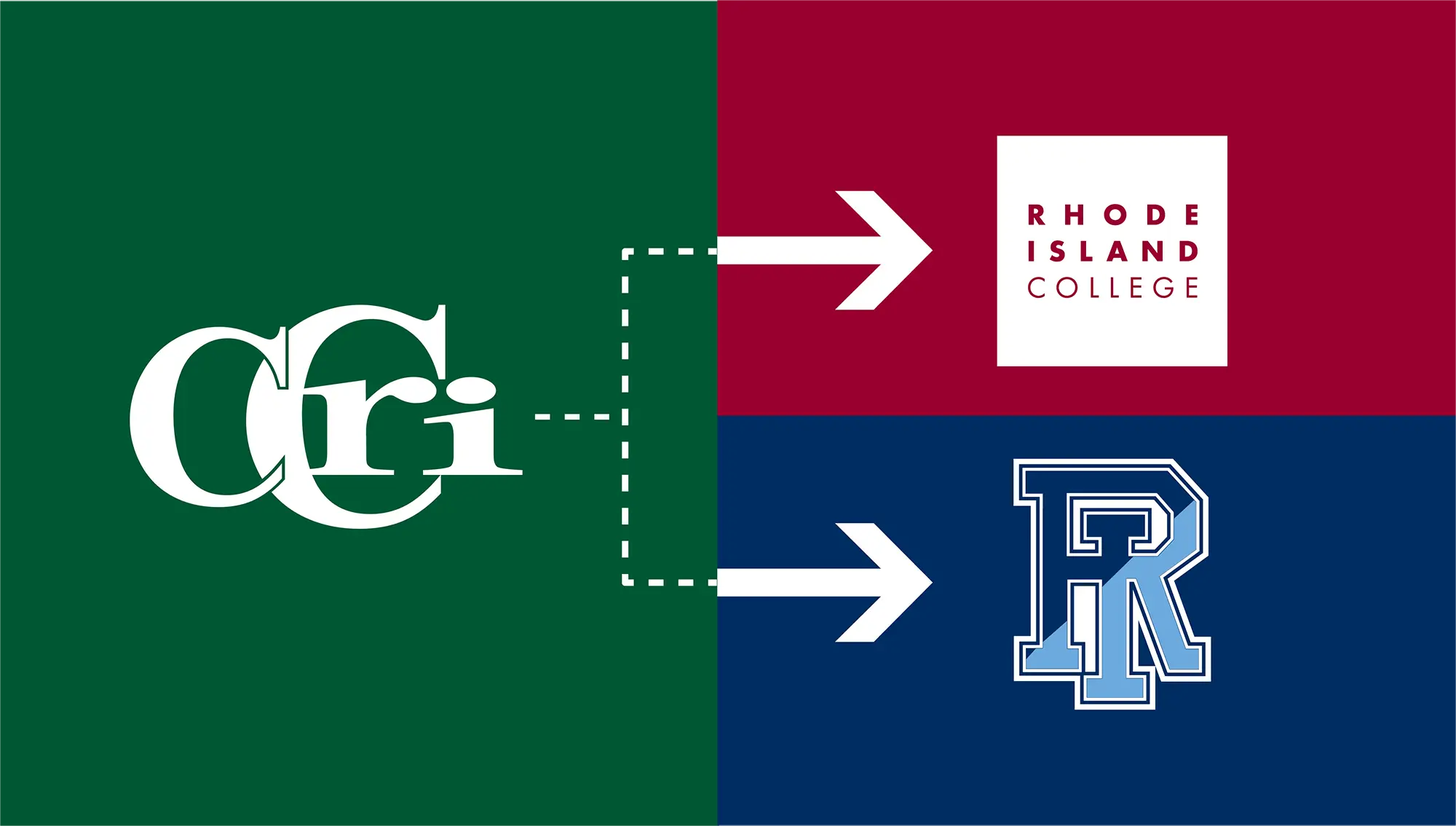
CCRI, one of New England's most affordable colleges, is now completely free for Rhode Island students heading straight from high school thanks to the Rhode Island Promise Scholarship. For those pursuing a bachelor's degree, starting at CCRI can also lead to up to 30% discounted tuition at Rhode Island College or the University of Rhode Island upon transferring.

Our Services
We Are Here for You!
CCRI puts your success at the center of all we do. Staff from our Advising and Counseling, The Tutoring Center, Career Services, Benefits Hub, Financial Aid, Veteran Services, and the entire Division of Student Services is here every step of the way to help you reach your academic and career goals.
At One Stop we assist prospective, current, and former students, with a variety of processes including applying to college, checking financial aid status, turning in required documents, registering for classes, paying your bill, and more!
The Advising Center offers a full range of services for CCRI students. These services include academic advising, career, educational and personal counseling services.
CCRI's Tutoring Center provides free in-person and online tutoring and academic coaching to help you achieve success.
Career Services collaborates with and prepares our diverse student population to make well-informed career decisions through professional readiness, exploration, and work-based learning opportunities.
The Benefits Hub offers students basic needs assistance grounded in respect, trust, and equity.
CCRI offers financial assistance to students who might otherwise be unable to further their education without such support. The Financial Aid Department is here to guide you through the process.
The CCRI Veteran Services Office is committed to being a resource to all VA education beneficiaries.
Where Campus Life Comes to Life!
Beyond the Classroom
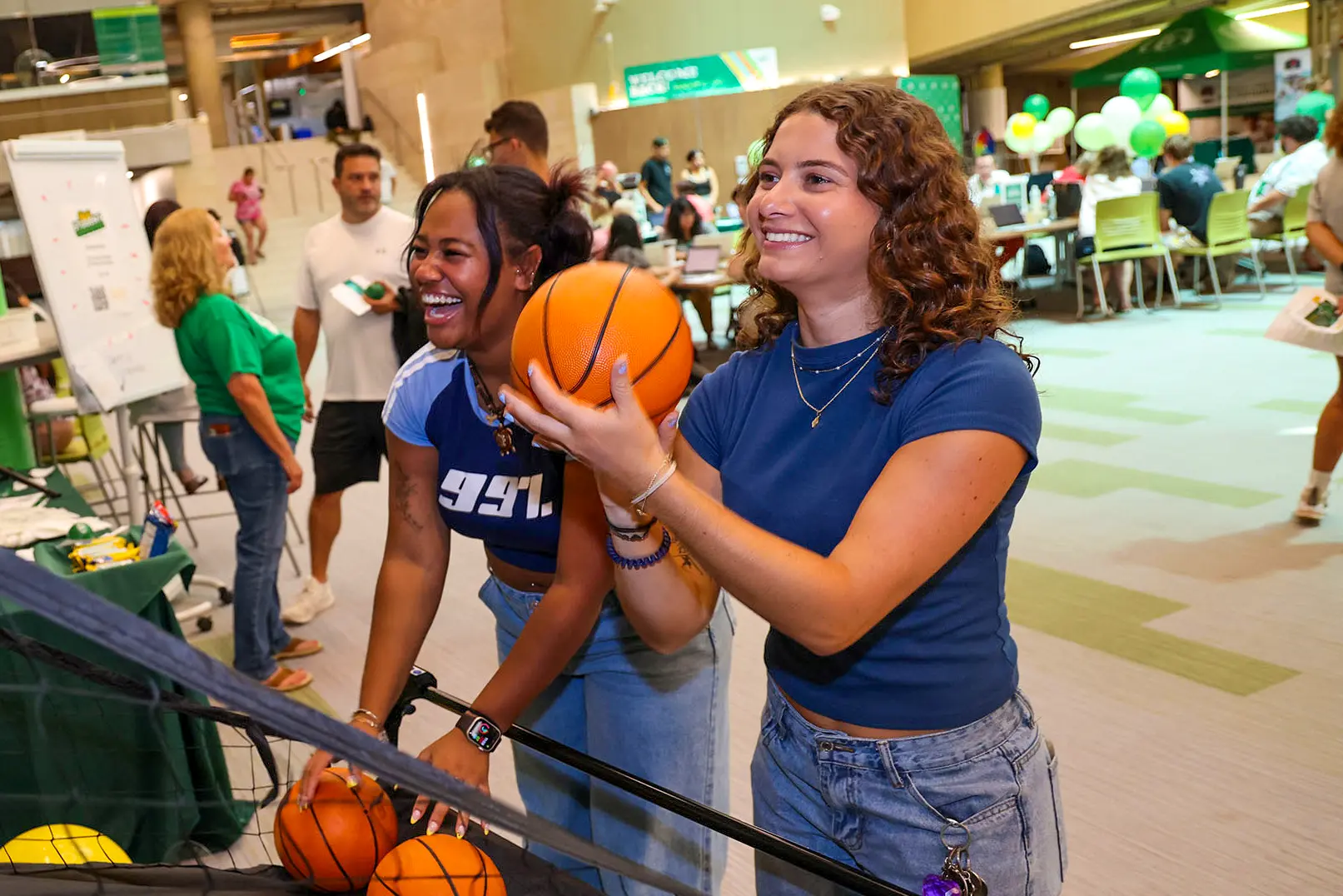
CCRI offers a vibrant campus life with a variety of events, athletic programs, and student clubs to keep you engaged and connected throughout your college experience.
Related Resources
Welcome to CCRI
Apply for Free Today!We're excited about your interest in attending the Community College of Rhode Island! Whether you're looking to discover your career path, start or complete your college degree, or take classes to enrich your life, we look forward to having you join our community!