Jeanne Clery Act
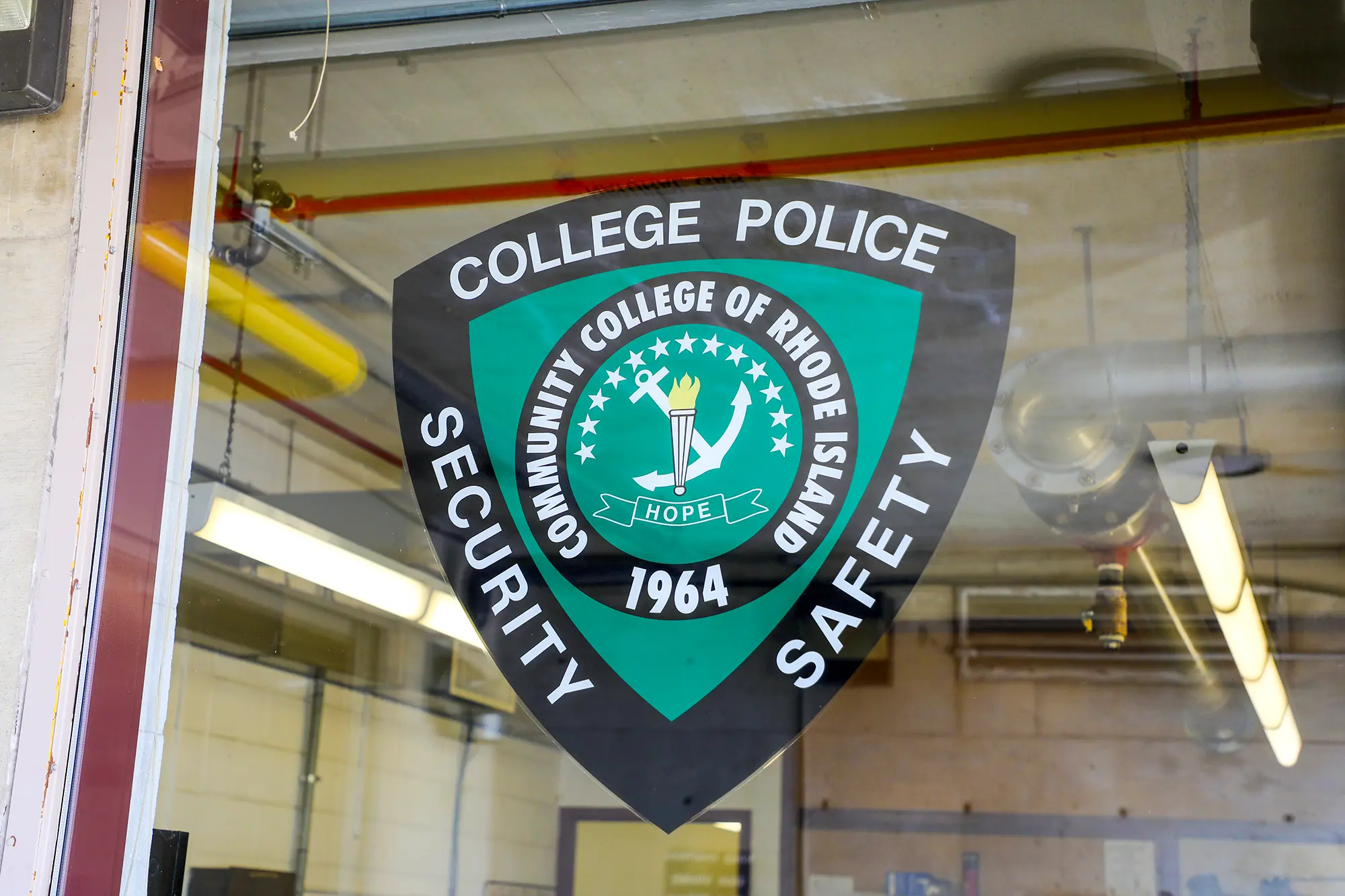
The Jeanne Clery Disclosure of Campus Security Policy and Campus Crime Statistics Act requires each institution of higher learning to prepare, publish and distribute an annual security report containing crime statistics and specific policy and security information. The Violence Against Women Act has further amended the Clery reporting requirements to include reporting on domestic violence, dating violence and stalking. The College works to educate its community on prevention of these crimes and provides information and resources available to those impacted by such acts.
Murder:
The willful (non-negligent) killing of one human being by another.
Aggravated Assault:
An unlawful attack by one person upon another wherein the offender uses a weapon, or displays it in a threatening manner, or the victim suffers obvious severe or aggravated bodily injury involving apparent broken bones, loss of teeth, possible internal injury, severe laceration, or a loss of consciousness. An unsuccessful attempt to commit murder is classified as an aggravated assault.
Sex Offenses:
Forcible:
Forcible: The offenses listed below with the exception of fondling; require penetration of a bodily orifice. The act must be against the victim's will or the victim must be legally incapable of giving consent due to temporary or permanent mental or physical incapacity - including intoxication - or because of the victim's youth.
Rape:
Forced sexual intercourse.
Sodomy:
Forced oral or anal sexual intercourse.
Sexual Assault with an Object:
Use of an object or instrument to unlawfully penetrate, however slightly, the genital or anal opening of the body of another person. An "object" or "instrument" is anything used by the offender other than the offender's genitalia.
Forcible Fondling:
The touching of the private body parts of another person for the purpose of sexual gratification.
Non-forcible
Incest:
Non-forcible sexual intercourse between persons who are related to each other within the degrees wherein marriage is prohibited by law.
Statutory Rape:
Non-forcible sexual intercourse with a person who is under the statutory age of consent.
Robbery:
The taking, or attempt to take, anything of value under confrontational circumstances from the control, custody, or care of another person or persons by force, or threat of force, violence or by putting the victim in fear of immediate harm.
Motor Vehicle Theft:
The theft or attempted theft of a motor vehicle.
Burglary (Breaking and Entering):
The unlawful entry into a building or structure with the intent to commit a felony or theft. Forced entry is not a required element of the offense, so long as the entry is unlawful (a trespass). The entry may be made through an unlocked door or window. Burglary includes unsuccessful attempts at entry using force or where an offender is frightened off while entering an unlocked door or open window.
Hate Crime:
Any crime motivated by bigotry and bias, including, but not limited to threatened or completed acts that appear after investigation to have been racial, religious, ethnic, sexual orientation, gender or disability prejudice. For the purposes of the Campus Security Act, statistics concerning the above listed offenses that manifest evidence of prejudice based on race, religion, sexual orientation, ethnicity, gender or disability are shown in the Hate Crime row of the statistical table.
Liquor Law Violation:
Any violation of any law or ordinance prohibiting the manufacture, sale, purchase, transportation, possession or use of alcoholic beverages. Driving under the Influence of an intoxicating substance comes under a different statute as does "drunkenness".
Drug Abuse Violation:
Any violation of any law prohibiting production, manufacture (including growing), distribution, and/or use of certain controlled substances. Also possession of equipment or devices utilized for their production or use.
Weapons Possession:
Any violation of any laws or ordinances prohibiting the manufacture, sale, purchase, transportation, possession, concealment or use of firearms, edged instruments, explosives, incendiary devices, or other deadly weapons.
If you wish to receive any updated statistical information, call the Police Department at (401) 825-2109. If you need information on a specific policy, the Office of Student Services at (401) 825-2221 will be happy to provide it.
Should you have any questions regarding the information provided in this brochure, please feel free to contact either of the above offices. Remember, by working in partnership, the Community of Rhode Island community will be successful in maintaining a safe environment for learning.
Campus Security Authorities
The Clery Act requires institutions of higher learning to identify persons on their campuses who are mandated to report crime.
Specifically, the Act requires that the school designate persons who have significant responsibility for student and campus activities but do not have significant counseling responsibilities to report crimes that are made known to them. Based on this criterion, the following CCRI officials should report crime:
- Associate Vice President of Student Affairs
- Chief and Deputy Chief of Campus Police and all Campus Police Officers
- Assistant and Associate Student Services Dean
- Student Services Directors and Assistant Directors
The list above does not imply that others should not or cannot report crime on our campus or that they do not have an ethical or moral responsibility to do so.
Persons Exempt from Mandated Reporting
Pastoral and professional counselors working in Counseling Services; Health Services; or Campus Ministry.
As a result of the negotiated rule-making process which followed the signing into law, the 1998 amendments to 20 U.S.C. Section 1092 (f), clarification was given to those considered to be campus security authorities. Campus "Pastoral Counselors" and Campus "Professional Counselors", when acting as such, are not considered to be a campus security authority and are not required to report crimes for inclusion into the annual disclosure of crime statistics. As a matter of policy, they are encouraged, if and when they deem it appropriate, to inform persons being counseled of the procedures to report crimes on a voluntary basis for inclusion into the annual crime statistics.
The rule-making committee defines counselors as:
Pastoral Counselor
An employee of an institution, who is associated with a religious order or denomination, recognized by that religious order or denomination as someone who provides confidential counseling and who is functioning within the scope of that recognition as a pastoral counselor.
Professional Counselor
An employee of an institution whose official responsibilities include providing psychological counseling to members of the institution's community and who is functioning within the scope of his or her license or certification.
- Jeanne Clery Act Center video (CCRI employees only, requires login.)
Welcome to CCRI
Contact Campus PoliceThe Community College of Rhode Island Police Department is committed to providing a safe educational environment and essential public safety services to all members of our community in support of College’s educational mission.